
Conversations with Lichen - Bioindicators as Guides for a World in Crisis
A collaboration with Andrea Gilly featured at WAVES Gathering 2025 in Helsinki, Finland.
"We are living through a civilization scale transition. The systems we rely on are failing. The future is being shaped right now—not by legacy institutions, but by those willing to move differently. Our current responses accelerate us towards either ecological collapse or a techno-fascist dystopia. At WAVES, we ask: Is there another way?" - WAVES site
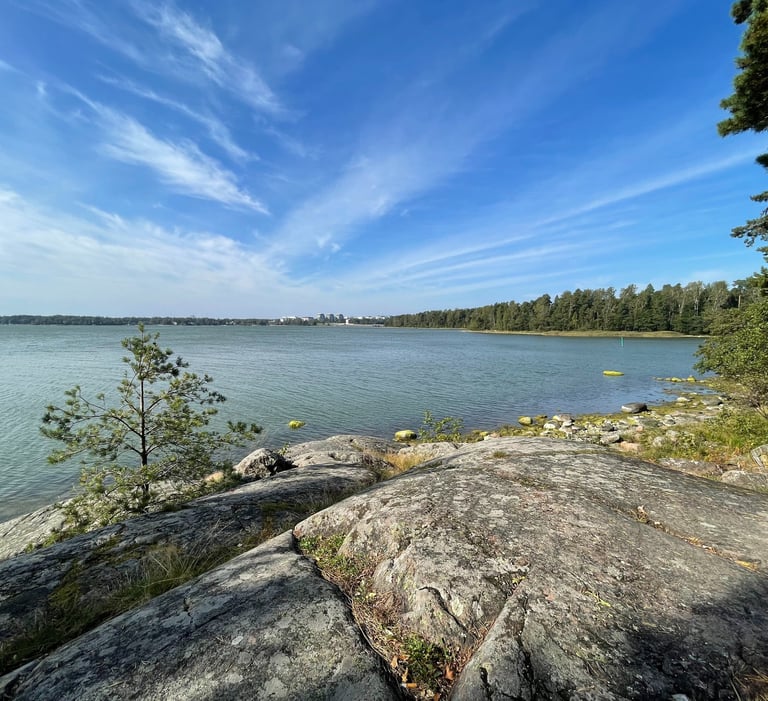
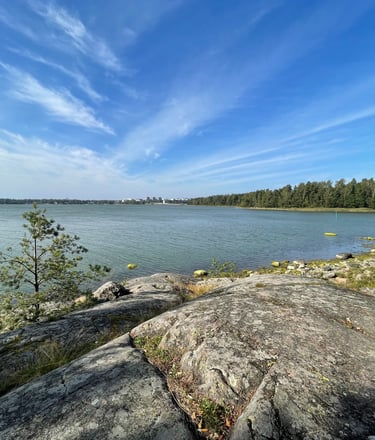
Bioindicators are guides who teach us about the ecosystem - shifts in its status, health and wellbeing often due to the impact of human activity. In this nature-connection and contemplative walk, we invited our more-than-human lichin kin into conversation to learn together and process the themes raised at WAVES.
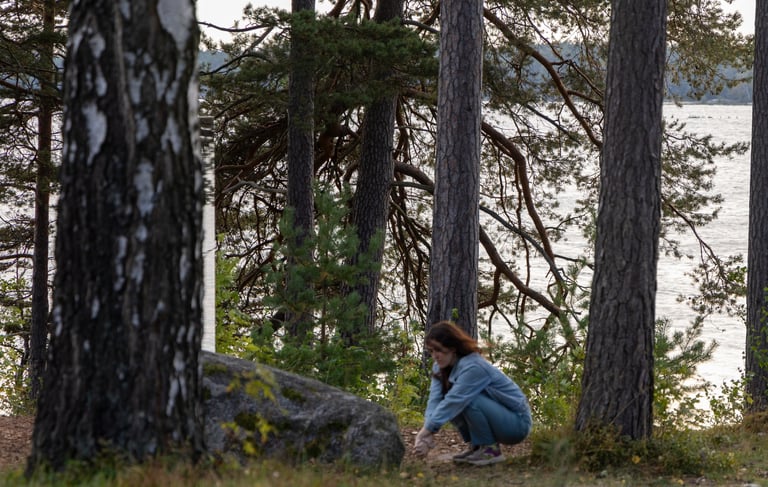
Image credits: Elif Eren Peltolta (images with people), Eloise Smith-Foster (images of only rocks & lichen)
Learning from our Lichen (Pl)antcestors
This session centred lichen as ancestral guides, elders and teachers to converse and co-inquire with and find different ways of being together. This took the form of a guided meditation, reflective discussion and lichen-engagement Andrea and I co-facilitated.
We wanted to make time to learn from the world of relatives and the more-than-human that is always there, but sometimes only becomes present for us when we slow down and pay attention.
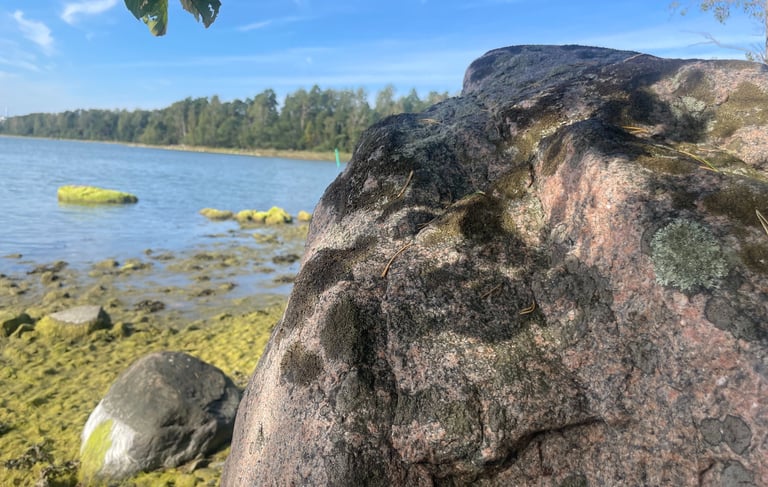
Lichen is ancient. Scientists believe they first formed 400-600 million years ago, around the time plants were just starting to transition onto land. In fact, they may have helped prepare the Earth for forests by breaking down rock into soil on a timescale hard for humans to contemplate. They have survived through much more change and challenging transitions than us young humans, so there is a lot we can learn from them.
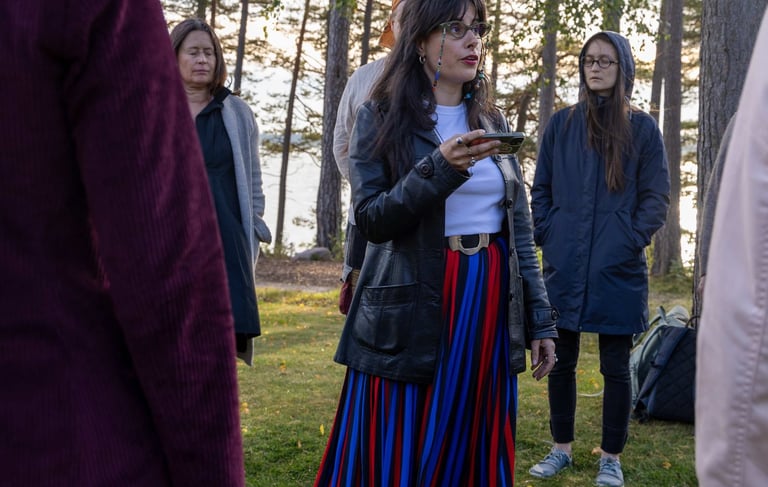


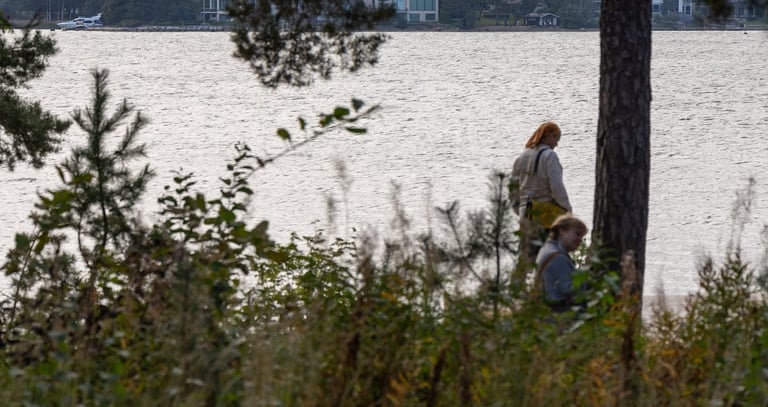


"I also want to thank and acknowledge the passion and work of Andrea Gilly and Eloise Smith-Foster. Their session on bioindicators as guides for a world in crisis was truly beautiful — I only wish more people had been there to experience it. Afterwards, we were already imagining how similar sessions could become a central part of future gatherings." - Aly Noyola Cabrera
Lichen isn’t a single organism - it’s queer ecology. It’s formed when a fungus teams up with a photosynthetic partner, usually algae. The fungus provides the structure and protection, while the algae or bacteria capture energy from sunlight. Together, they create a completely new lifeform and ecological community that neither could be on its own.
What’s also remarkable is their resilience. Lichens can survive in some of the harshest environments on Earth and play important ecological roles. They help create soil, provide food and shelter for animals. And for humans, they’ve been used historically for dyes, medicines, perfumes, and even food in times of scarcity.


Questions to reflect on with lichen
So, lichens remind us of the power of collaboration, movement, adaptability and the resilience of life in unlikely places and changing worlds. A living story of partnership and survival that’s been unfolding on Earth for hundreds of millions of years.
We offered questions to participants that emerged for us when learning about the lichen to explore in their lichen-engagement. Feel free to explore with these or find your own ways of being and conversing with the lichen:
1. What do you need to ask the lichen?
2. How do we find different ways of relating in times of transition? Or what relationalities exist that are supporting you to be ready for transition?
3. What is seems immovable within you that needs dissolving or transforming (like how lichen dissolves seemingly immovable stone into soil and nutrients)?
For me, these questions feel ever more pressing as the UK continues its complicity in escalating violence across the SWANA (Southwest Asia and North Africa) region, alongside the mainstreaming of fascism across the country.
Here in Sheffield, we are not separate from the implicated political and economic systems, and individualistic behaviours that enable this. Paying attention to our role in these times, relationships and embracing responsibility together feels more important than ever.
Get in touch via the contact page to book a workshop
Feel free to reach out via Linkedin
Get in touch via the contact page
Freelancer and Entrepreneur based in Sheffield